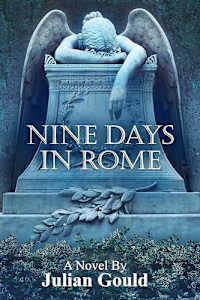
Nine Days in Rome is one of those rare novels that quietly pulls you in and then refuses to let go — the kind you read late into the night while the rest of the house sleeps.
At its centre is Atticus Winterle, a laid-off American executive living in Italy who reluctantly finds himself chaperoning a group of American high-school students through Rome. What begins as a logistical challenge quickly deepens into something far more human. As crises unfold — some chaotic, some deeply unsettling — the story becomes less about managing a trip and more about navigating responsibility, vulnerability, and connection across generations.
Julian Gould writes Rome with both affection and restraint. The city is vividly present — its streets, history, and atmosphere woven naturally into the narrative — yet it never overshadows the characters. Instead, Rome becomes a living backdrop against which personal reckonings play out. The Eternal City watches as these lives intersect, collide, and quietly change.
What struck me most was the empathy at the heart of the novel. Gould doesn’t sensationalise the difficult themes he explores — substance abuse, mental health struggles, self-harm, and emotional isolation. Instead, he treats them with seriousness and compassion, allowing the characters space to be flawed, frightened, and human. Atticus, in particular, is a compelling guide: observant, imperfect, and gradually transformed by the weight of responsibility he never sought.
Despite a large cast, the pacing remains strong and the narrative focused. The story balances moments of tension with warmth and reflection, reminding us that growth often comes not from comfort, but from being forced to pay attention — to others and to ourselves.
Nine Days in Rome is an absorbing, thoughtful, and emotionally resonant novel. It’s a story about unexpected bonds, hard lessons, and the quiet ways people change when they’re brought together under pressure. A deeply satisfying read — and without question, a five-star one.
⭐⭐⭐⭐⭐
Read my Goodreads review.