My Love Affair With My Malady
Someone once told me that the ability to laugh at your own mistakes was a sign of maturity. The same person, whom I looked up to back then, also said it was okay to talk to yourself—as long as you didn't reply. For some reason, his words stuck with me long after he was gone.
Little did he know how useful they’d become.
He vanished from my life, and I now picture him somewhere in the Knysna bush, living off the land, smiling. Somehow, I just know his dreams came true. “When the subject is ready, the teacher will appear,” he said to me. His last words. And somehow, they still resonate.
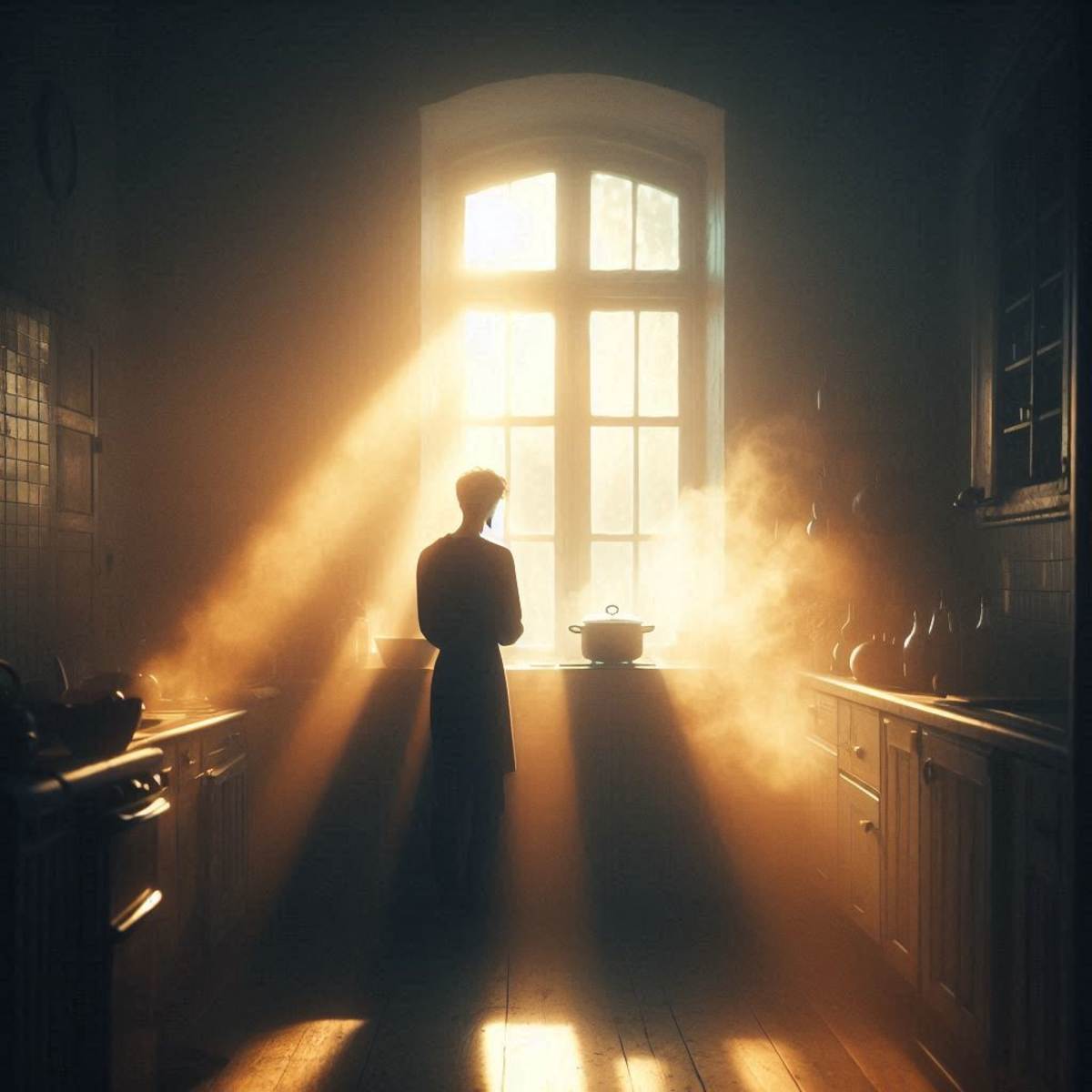
I had no clue how ready I already was. Actually, like a well-grilled steak—bien cuit, as they say—I was well-done. Cooked. Overdone. Charred.
Trauma isn’t a sudden event; it’s a slow-burn process of internal and external damage. I was cooked through, but I didn’t have a name for it. And I certainly didn’t have the support.
With each passing year, my toxic relationship with suffering intensified. At the centre of it all, standing tall like a sentry, was one word we all know too well: REJECTION.
Rejection—relentless, brutal—shaped every thought, every action, every fear. It distorted my reality, dictated what I allowed myself to feel, dream, even hope for. A master puppeteer. It pulled the strings of my emotions, dragging me into performances of inadequacy. I built a fortress of cynicism, brick by brick, laid with self-doubt and mortared with loneliness.
Silence, once my comfort, turned deafening. The echo of my unspoken anxieties filled every room.
Andre’s words now felt cruel. Was I ready? Or was I simply… undone?
Irony hides in plain sight. For me, being “utterly undone” was readiness. I just didn’t know it yet.
One failed relationship triggered panic. That panic shoved me into another, which I doomed before it even began. It wasn’t just romance. Friendships suffered too. Professionally, I’d crash, quit, scramble for a new job, rinse and repeat. It was a dance of desperation and decay. A self-destructive loop powered by atomic emotions—unseen, but explosively real.
I was lonely. I craved connection. Yet I pushed everyone away. That isolation? It grew fangs. When rejection is seasoned with desperation, the result is volatile. Dangerous.
I’ve said it before, and I’ll say it again: desperation leads to trouble. It births fleeting bonds—jobs, friendships, relationships—all destined to collapse. And I clung to them like life rafts, sinking all the same.
I made choices I wouldn’t have made otherwise. I chased relief in moments that only deepened the emptiness. I became a master of self-sabotage. An architect of despair.
And then time got involved. Time doesn’t heal everything. Sometimes it rots you. Anxiety bloomed. It wrapped itself around every breath like a vine. The mirror became a battleground. Lines around my eyes told stories of sleepless nights. My own reflection felt foreign. My body, sagging under invisible weight, betrayed me.
Hope? A butterfly with no wings. Joy? A forgotten melody. I was sinking—not in floods of tears, but in a slow, steady seep of self-loathing.
Eventually, I spiraled. I lost control.
Within a year, I was admitted to a mental health clinic—twice. Sedated. Disoriented. I remember nothing. Not the journey in. Not the reasons. Just blanks.
On my first stay, I just wanted to leave. How sad is that? I longed to go home, drink beer till the early hours, bury myself in work for 16 hours a day. Back to the grind of desperation, rejection, anxiety. Back to the fire that had cooked me.
I talked my way out of the clinic. I wasn’t ready. Not yet. I had more burning to do.
So I returned to the life I’d built—a house of cards on quicksand. The old feelings returned, sharper than ever. Loneliness. Anxiety. That pull toward the edge. I knew the steps. Knew the drop. I even saw it coming. Still, I walked forward.
The second time, I woke up. The same smells. The same humming machines. The sterile corridors. My wife’s voice. The cold metal of the hospital bed.
I opened my eyes.
“Oh no. I’m back,” I sighed.
But this time, something was different.
I was ready. I had no choice. The man I had been? He had to go. He’d wrecked too much—his work, his friendships, nearly his marriage. He had to die for me to be reborn.
And then, as Andre had promised, the teacher appeared.
A new therapist. One who truly saw me. She didn’t just label me—bipolar II—she understood the terrain ahead and promised to walk it with me. For the first time in 55 years, I had a name for my condition.
I exhaled.
That diagnosis didn’t trap me—it freed me.
I became a force of light in that clinic. Five days later, the nurses, therapists, even the cleaners, clapped and sang as I rang the victory bell and walked out the door.
I’d always known the what, when, where, and how. But now, finally, I knew the why.
And knowing the why changes everything.
Now, I live in harmony with my malady. I simmer, but I don’t boil.
My wife sees it too—in her eyes, I see the reflection of a man she can trust again. A man reborn.
So thank you, Andre. Wherever you are—say hello to the Knysna elephants for me. I know you’re there. Somehow, I just know.
Your prophecy came true.
And just like you said:
I like it.