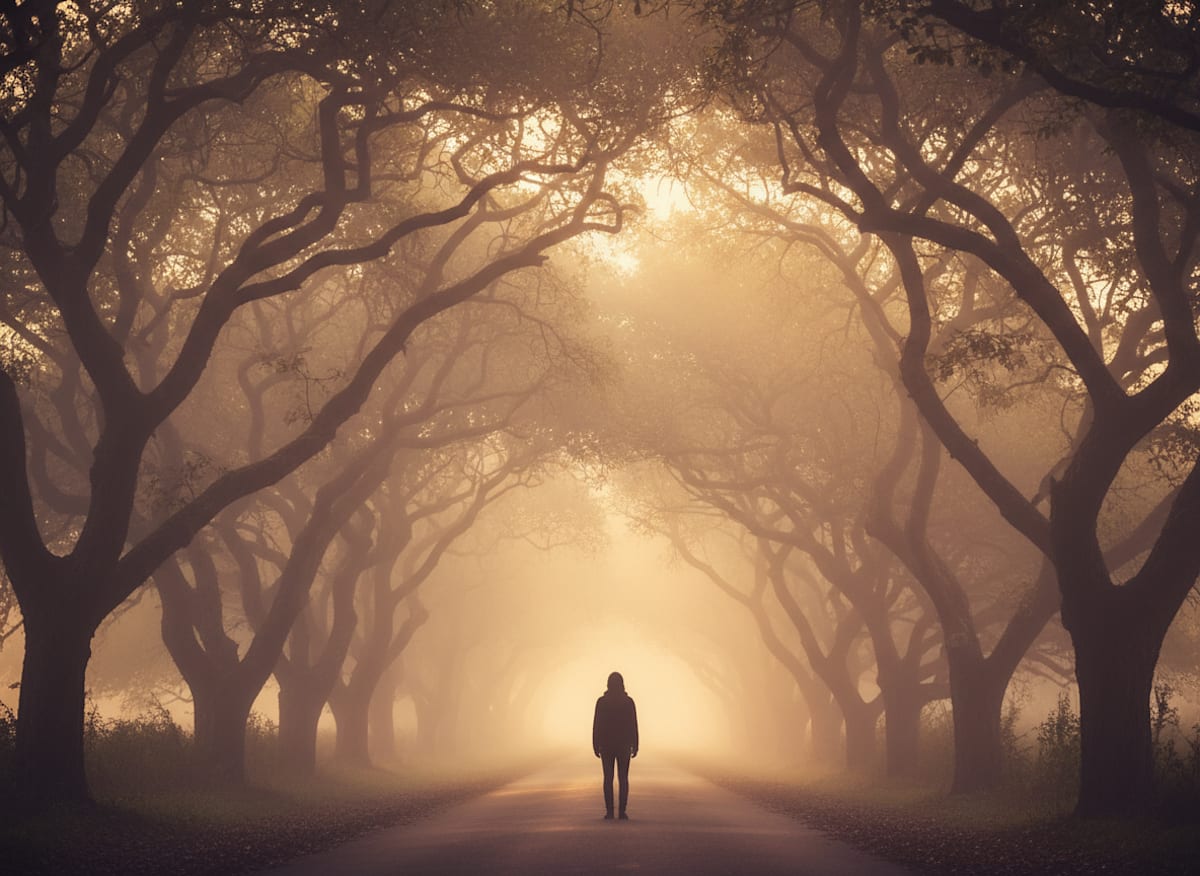
People like me often leave ourselves wide open for hurt. I’ve heard the terms — sucker for punishment, glutton for abuse, why does he keep going back? But when I say “people like me,” I’m talking about the countless individuals who grew up inside emotional, physical, or psychological harm. The ones who walked into adulthood carrying invisible wounds: depression, PTSD, bipolar, anxiety, and the rest.
I don’t like the word disorder.
It makes us sound broken.
I prefer psychological scars — things we survived.
One thing I’ve learned is this:
People who grew up with those scars often fall into cycles of self-destruction, sometimes without even noticing it. We chase the wrong partners, accept the wrong treatment, numb ourselves with alcohol or avoidance, and cling to anything that feels like “love,” even if it hurts.
I know, because I lived it.
The Cycle That Nearly Broke Me
Years ago, my life was on a trajectory straight into a wall. Everything spiraled. I was on the brink of moving back into my mother’s house — again.
It was a repeated cycle for years:
Go out into the world.
Get hurt.
Crash.
Return home.
My mother feared rejection, hated being alone, and took out her own wounds on me. I grew up without a father and absorbed whatever attention I could get — even if it came in the form of shouting or physical pain. My brother’s violence felt, in some twisted way, like proof that I belonged somewhere. That I mattered enough to hit.
That is the danger of growing up inside chaos:
pain feels familiar, and familiarity feels like love.
So I went back home and endured the same old patterns. But this time something shifted. I became determined to forgive, to rebuild, and to change even the tiniest decisions in my life. I avoided jumping into the first relationship that presented itself. I avoided dragging the first willing girl into bed so we could play house and call it love. Those relationships never ended well — they were built on wounds, not on truth.
One day, I finally recognized the red flags.
I saw the fake smile.
The sharp glare.
The danger disguised as affection.
And for the first time, I said no.
But still, I prayed — daily — for a partner who was truly meant for me. Someone who saw me. Someone I wouldn’t have to shrink myself for.
The Moment My Life Changed
And then one night, at my favorite watering hole, everything shifted. She sat quietly in the corner, laughing at her friends’ jokes, soft and unassuming, entirely unaware of the effect she had on the world.
My knees buckled.
My heart tried to escape through my ribs.
My breath vanished.
She was the girl from my dreams — literally.
I had never done anything like this before, but a voice whispered:
Do what scares you now, and find the courage later."
So I walked over and said,
“You look like someone I’d really like to kiss.”
The entire pub froze.
The world held its breath.
And instead of slapping me into next Thursday, she smiled.
Less than two years later, after becoming the best of friends, she said yes — to dating, to love, to marriage, to a life with me.
Her name is Marna, and she has walked beside me through mental health clinics, manic spirals, depressive crashes, and all the broken pieces I used to hide. She stayed because I told her the truth from the start — who I was, what I carried, and what I could not give, including the children I cannot have.
And I love her deeply.
Our relationship isn’t one-sided.
We carry each other.
The Lesson I Learned
You might think the lesson here is:
“Keep trying and one day it gets better.”
But no.
That’s not it.
The lesson that changed my life was one word:
Desperation.
When I lived in desperation, I settled for anything.
Anyone.
Any job.
Any treatment.
Any crumb that looked like affection.
But the moment I stopped being desperate —
when I started choosing instead of clinging —
my life changed.
I found a wife.
I found a career.
I found myself.
Applying the Same Truth to Work
Years later, during a severe mental health episode, my verbally abusive boss pushed me to the edge again. After leaving the clinic, I resigned.
She was shocked.
Everyone feared her.
But I stood my ground and said,
“Your company is not a good fit for me.”
The days after were hard, but I refused to live in desperation anymore.
I applied only for jobs I truly wanted — roles where I knew I could thrive. I interviewed honestly, listed my needs, asked hard questions, and rejected roles that didn’t fit.
People can smell desperation.
And predators — emotional or professional — like to feed on it.
But confidence?
Authenticity?
Self-respect?
That attracts the right opportunities.
I ended up with two incredible offers in the same week — both from companies I admired. The one I chose was right next door to the other. To this day, I still bump into the people who interviewed me.
Coincidence?
Maybe.
Maybe not.
What I'm Really Trying to Tell You
If you’ve lived your life craving affection, acceptance, or approval —
if you were shaped by pain, neglect, or chaos —
then this is the truth I offer you:
When you stop being desperate, you start being free.
When you start choosing, your whole life changes.
And sometimes, what you’ve dreamed of appears the moment you finally believe you deserve it.